
Archaeological monuments
Amphiareion Archaeological Site of Oropos
Discover the Amphiareion of Oropos, one of Attica’s most remarkable archaeological and spiritual landmarks, nestled within a lush pine forest near Kapandriti and just 45 minutes from Athens. A destination where history, mythology, and natural beauty blend seamlessly, offering visitors a unique cultural and tranquil experience.
Dedicated to Amphiaraos the legendary hero, seer, and healer of ancient Greece the sanctuary became one of the most important healing and oracle centers of the ancient world. According to mythology, Amphiaraos was swallowed by the earth and transformed into a chthonic deity with the power to heal and reveal prophetic dreams.
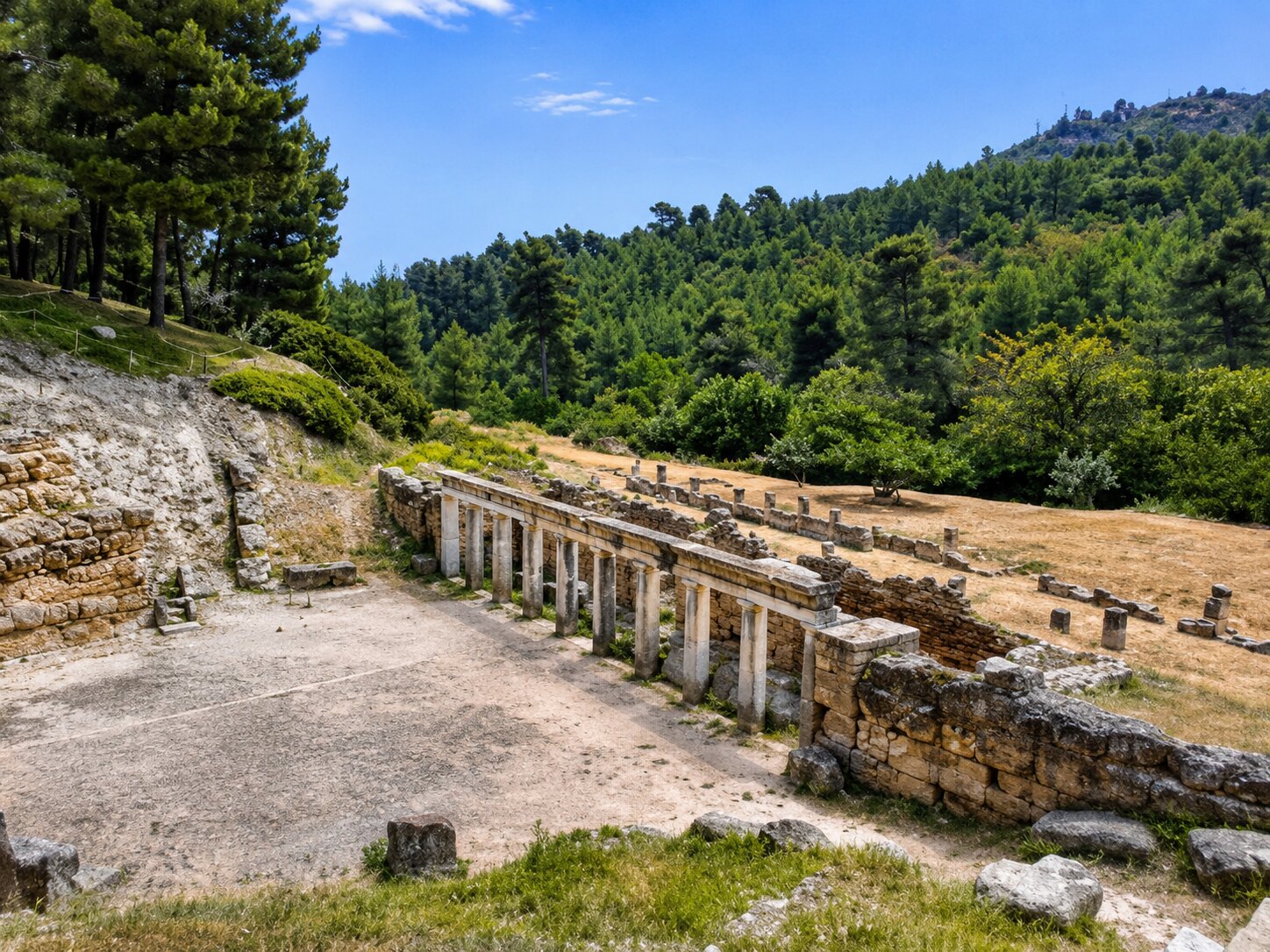
Explore exceptionally preserved monuments harmoniously integrated into the landscape, including the 2nd-century BC ancient theater with its marble honorary thrones, the impressive 110-meter Doric stoa, the ritual baths used for purification ceremonies, and the remains of the sacred temple where pilgrims sought divine guidance and healing through dream incubation rituals.
Among the site’s most fascinating features are its unique multi-section altar dedicated to various gods and one of the very few surviving ancient water clocks in Greece, still preserving original elements from antiquity.
The Amphiareion offers a peaceful escape into the authentic heritage of the Kapandriti and Oropos region, combining archaeological discovery, natural scenery, and the timeless atmosphere of one of ancient Greece’s most sacred healing sanctuaries.
Rhamnous Archaeological Site
Discover the Archaeological Site of Rhamnous, one of the most important and best-preserved ancient municipalities of Attica, located along the stunning northeastern coastline near Kapandriti and Oropos. Surrounded by wild natural beauty and overlooking the South Euboean Gulf, Rhamnous offers visitors an authentic journey into the history and culture of ancient Greece.
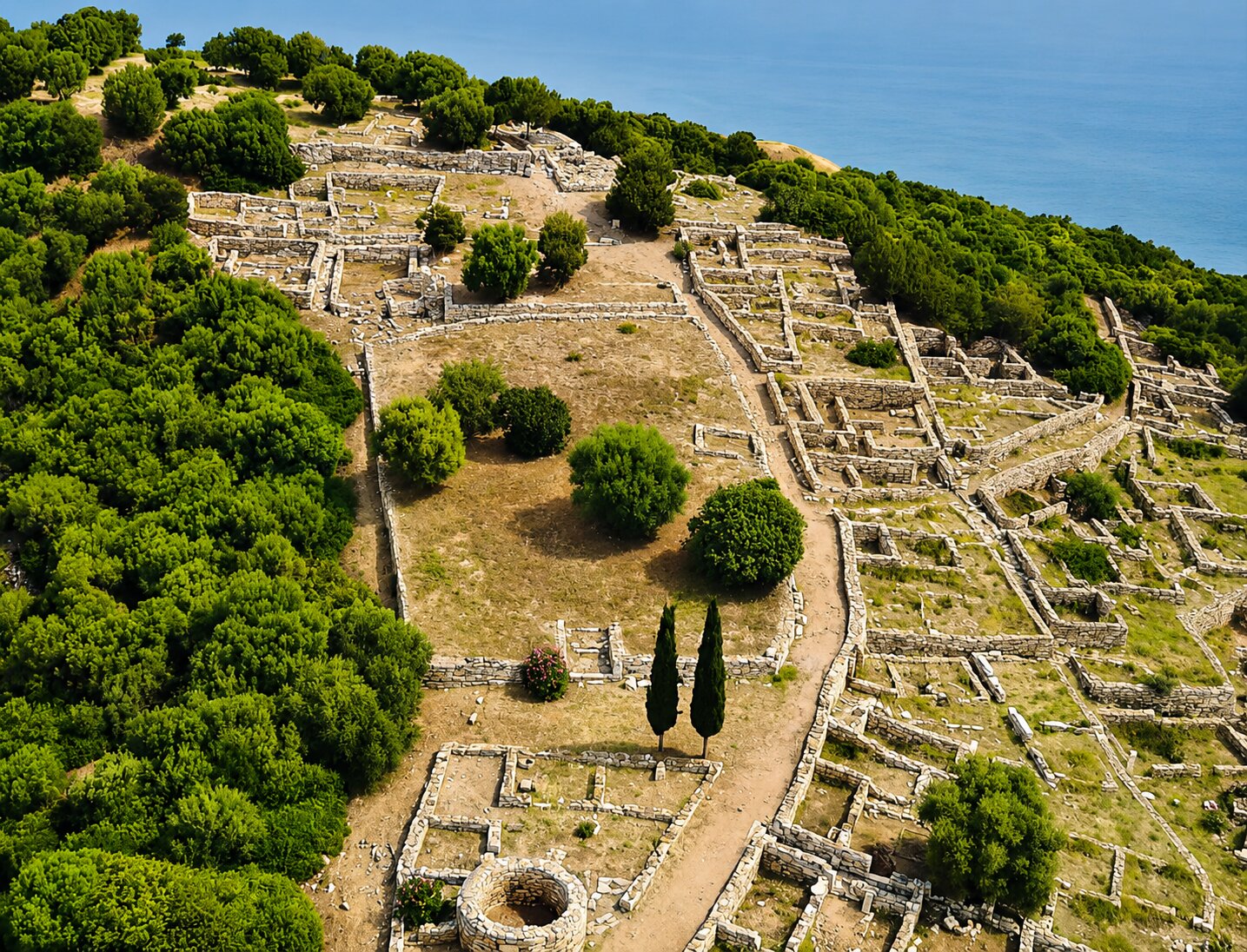
Once a vital military and strategic stronghold of ancient Athens, Rhamnous controlled the important sea routes leading to Euboea. Today, visitors can explore remarkably preserved ruins that retain the timeless atmosphere of the ancient world.
The site is most famous for the sanctuaries dedicated to Nemesis and Themis. The Temple of Nemesis, goddess of justice and divine retribution, once housed the renowned cult statue sculpted by Agorakritos, a student of the legendary Phidias, using fine Parian marble.
Beyond the temples, visitors can wander through the remains of fortified walls, the ancient acropolis, residential quarters, and a small theater that together reveal the daily life and importance of this ancient settlement. Unlike many archaeological destinations, Rhamnous remains largely untouched by modern development, offering a rare sense of tranquility, authenticity, and breathtaking coastal scenery.
Rhamnous is an ideal destination for travelers seeking to experience the authentic historical and natural heritage of the Kapandriti and northeastern Attica region, combining archaeology, scenic landscapes, and the peaceful atmosphere of ancient Greece.
Tomb of the Athenians
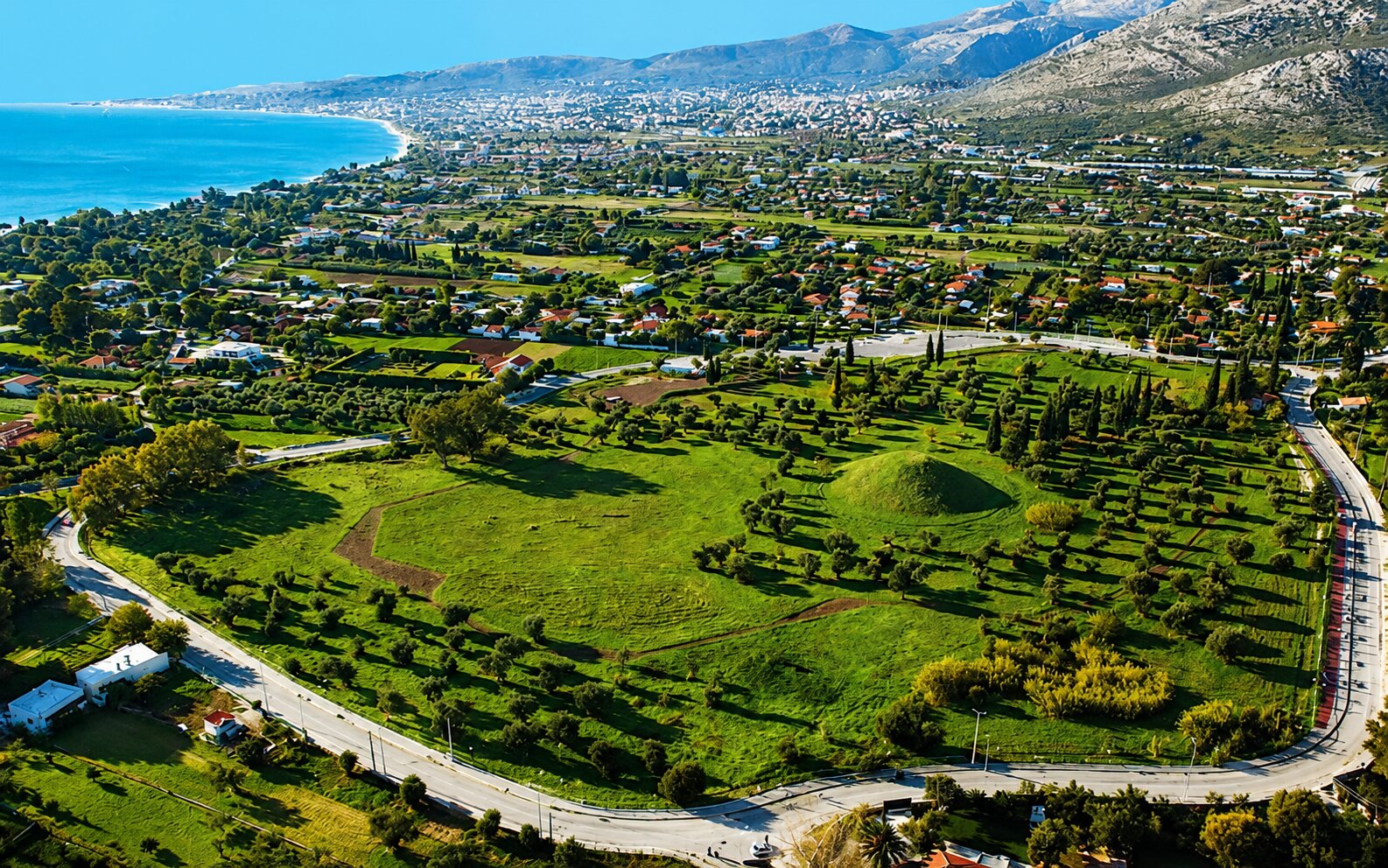
The Tomb of the Athenians in Marathon stands as one of Greece’s most important historical and symbolic monuments, dedicated to the 192 Athenian warriors who lost their lives during the Battle of Marathon in 490 BC while defending freedom and democracy against the Persian invasion.
Built on the burial site of the fallen soldiers, the imposing earthen mound still dominates the historic plain of Marathon, serving as a timeless symbol of courage, sacrifice, and democratic ideals. The Athenian victory at Marathon is regarded as one of the defining moments in world history, influencing the course of Western civilization and preserving the foundations of Athenian democracy.
Visitors can explore the archaeological site and experience the unique atmosphere of a place where history, natural beauty, and cultural significance come together. The peaceful landscape surrounding the monument offers an ideal setting for reflection while allowing travelers to connect with one of the most influential events of the ancient world.
Located within easy reach of Kapandriti and northeastern Attica, the Tomb of the Athenians is a remarkable destination for visitors seeking to discover the authentic historical heritage of Greece and the birthplace of one of history’s most enduring symbols of freedom and valor.
Archaeological Museum of Marathon
The Archaeological Museum of Marathon is one of the most important cultural landmarks in eastern Attica, offering visitors a fascinating journey through the region’s history from prehistoric times to the Roman era. Located close to the historic Tomb of the Athenians and the battlefield of Marathon, the museum provides a direct connection to one of the most significant events of the ancient world.
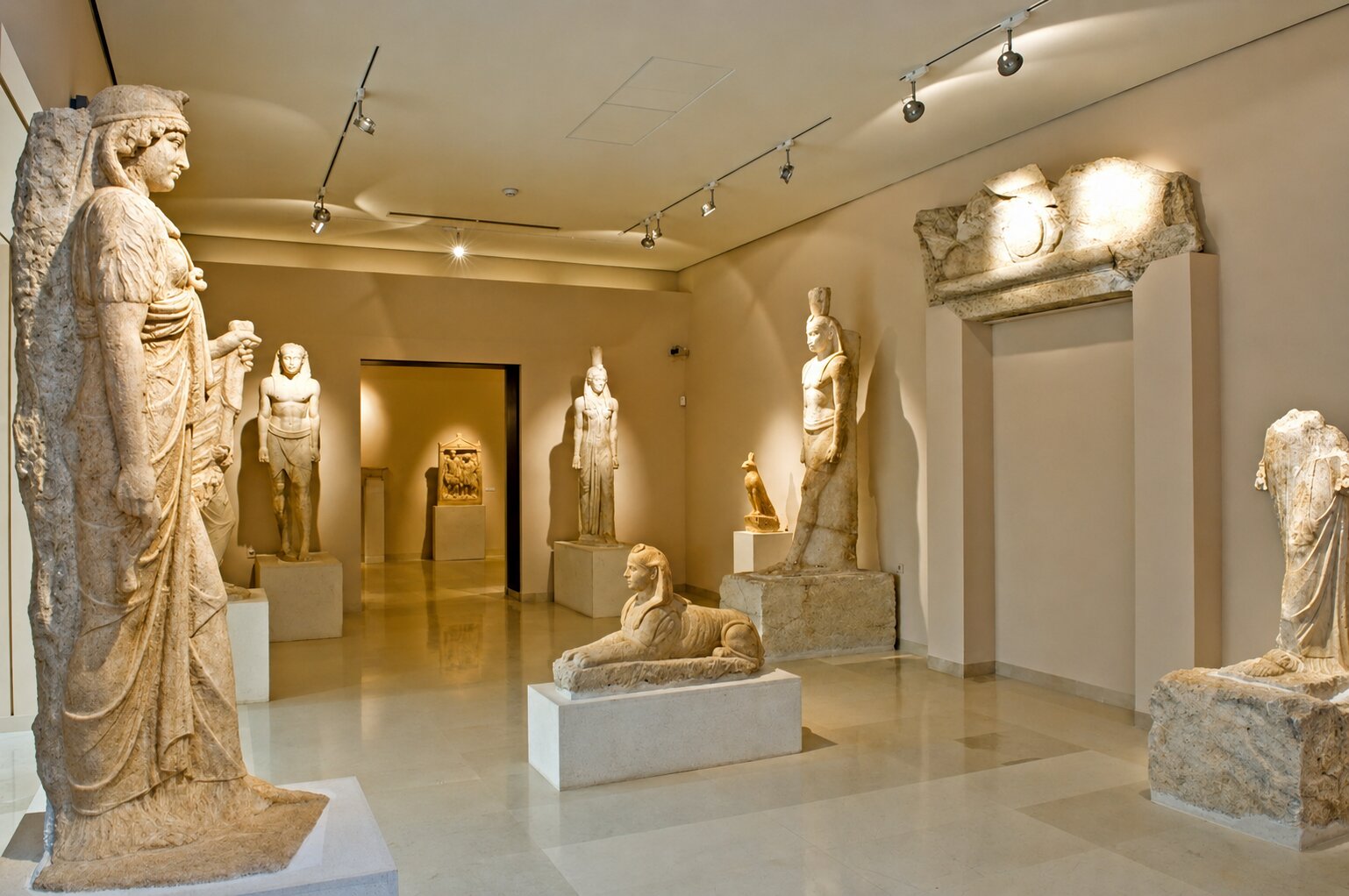
Its collections feature remarkable archaeological finds from key historical sites in the area, including Rhamnous, the Sanctuary of the Egyptian Gods at Brexiza, and ancient Marathon. Among the museum’s most notable exhibits is the marble trophy commemorating the Athenians’ legendary victory over the Persians at the Battle of Marathon, alongside impressive sculptures, funerary monuments, pottery, and everyday artifacts that reveal the culture and daily life of ancient Attica.
Particularly noteworthy are the exhibits from the Sanctuary of the Egyptian Gods, reflecting the cosmopolitan character of Roman-period Attica. Visitors can admire statues of Isis, Serapis, and other deities, as well as beautifully crafted reliefs and inscriptions of exceptional historical and artistic value.
Set within a peaceful and welcoming environment, the Archaeological Museum of Marathon offers a rich cultural experience and serves as an ideal destination for visitors wishing to explore the authentic historical heritage of northeastern Attica and the wider Kapandriti region.